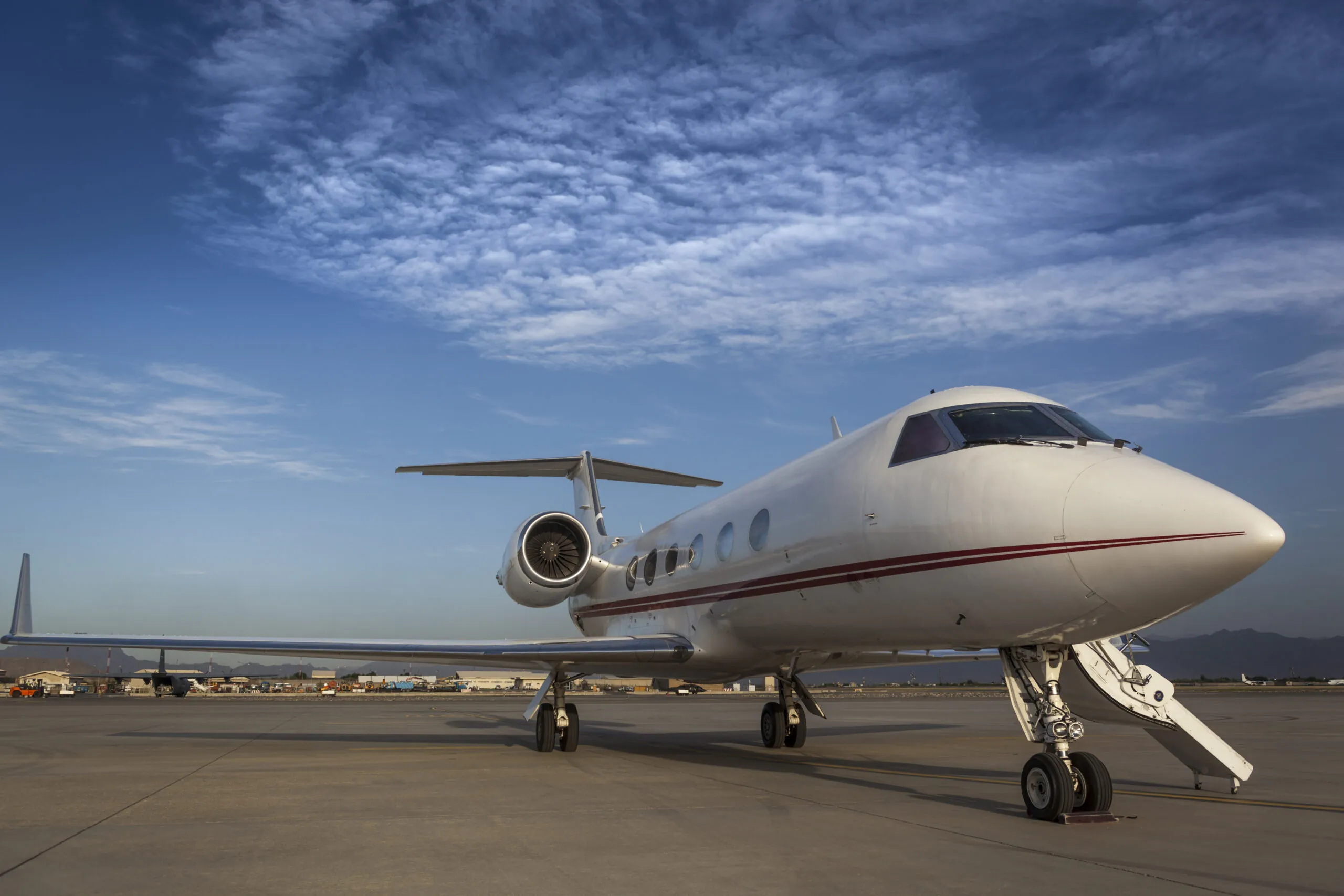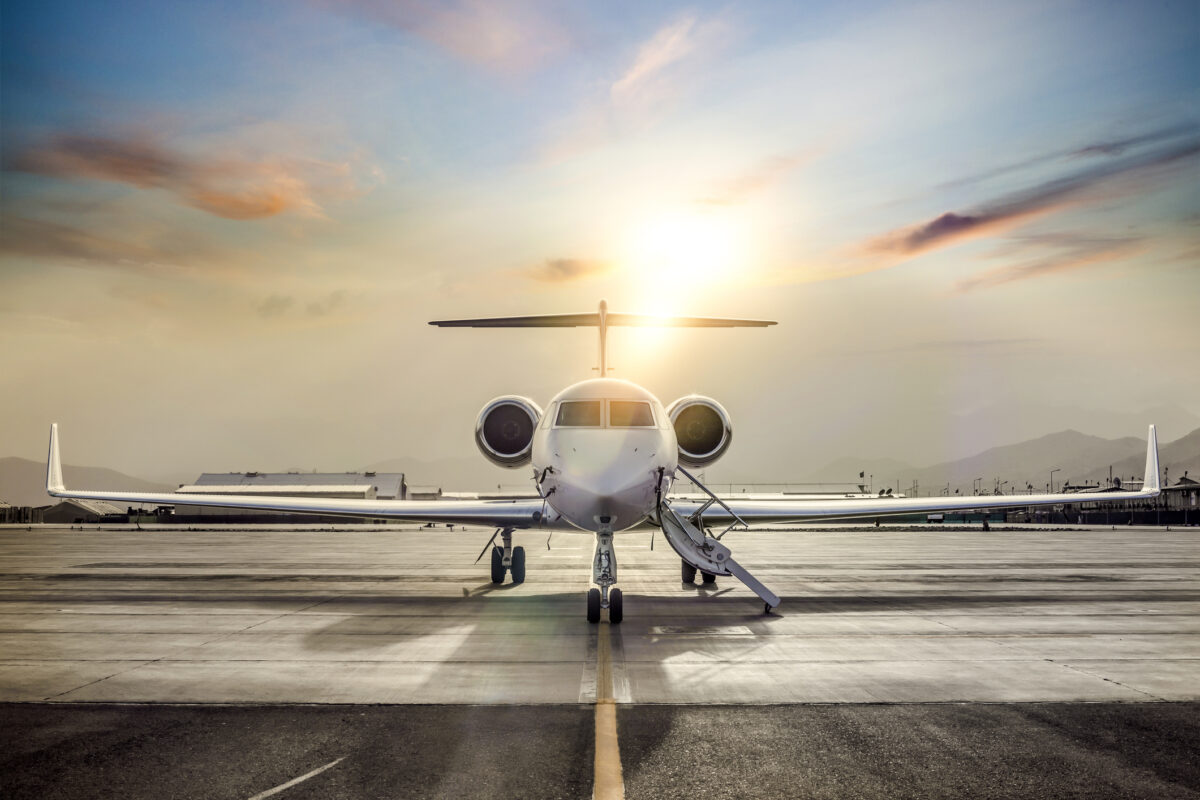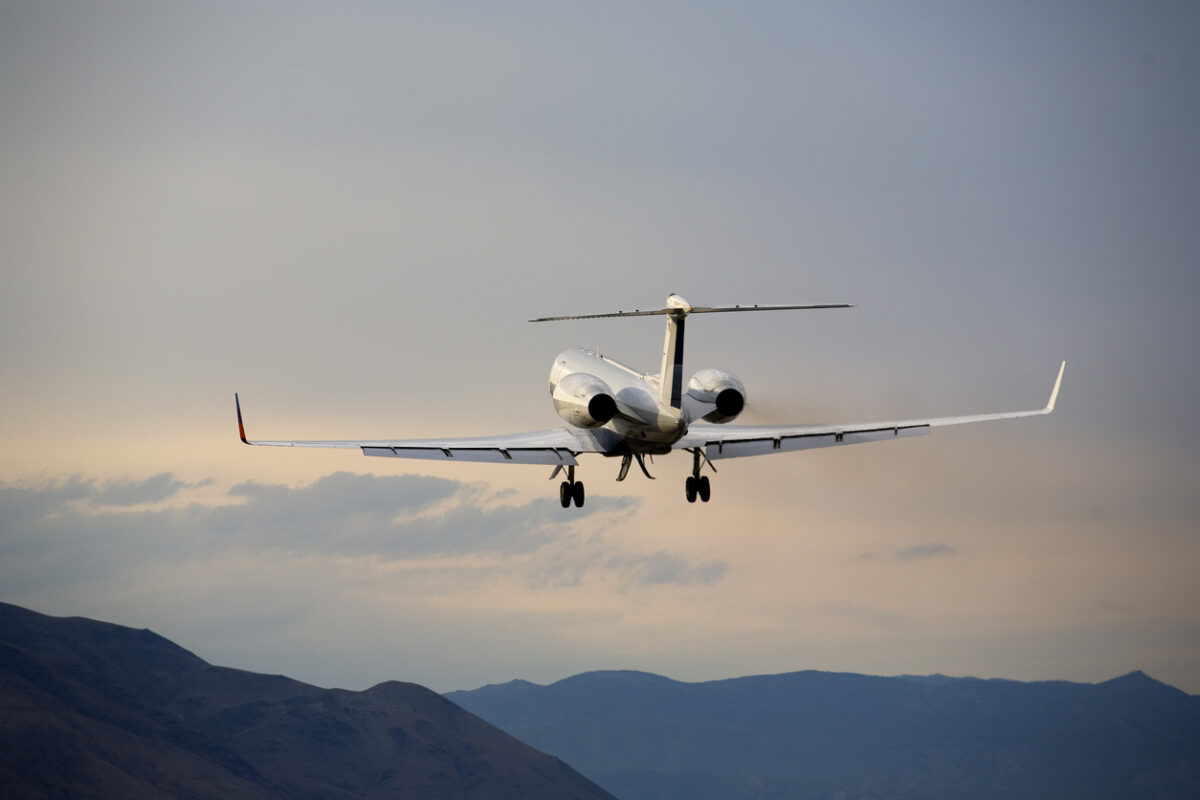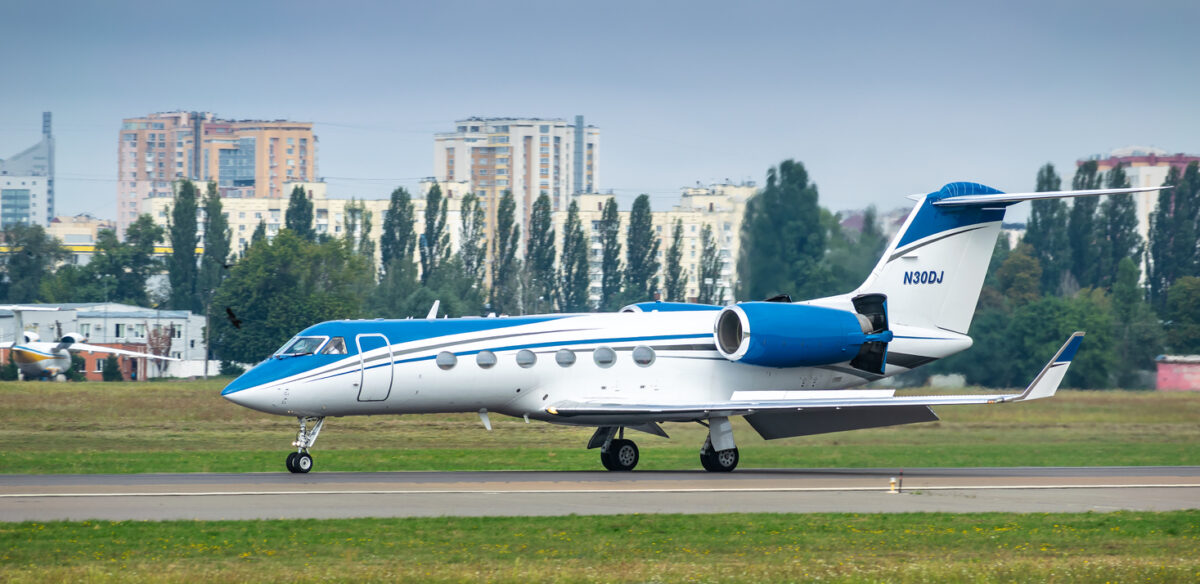

When you opt to use private jet charters for sporting events, you can ditch the stress of long lines, crowded airports, and overbooked flights. You can enjoy VIP treatment with a flexible schedule, luxury accommodations, and all the privacy you need. Plus, some customized amenities that will help you raise your energy level before the game. Arrive at the big event on time and in style with a private flight.
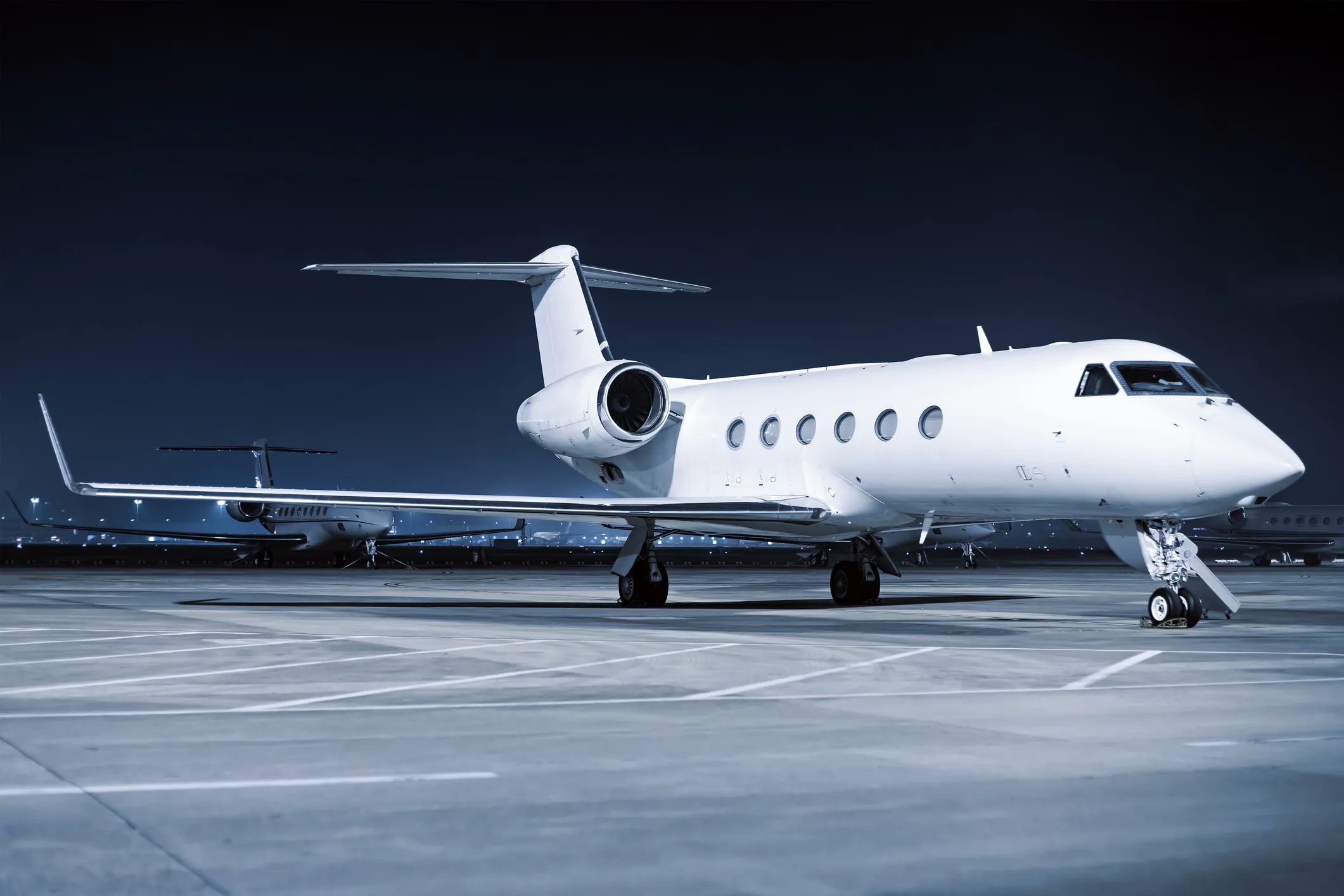

Nothing compares to the energy of a major sporting event. The senses can be overwhelmed with the sights, smells, and sounds of the experience, in addition to knowing that you are witnessing history being made. And while this is all pretty amazing, the getting there factor isn’t always a ray of sunshine; Major events bring large crowds from all around the world, and that means crowded airports with long lines, delays, and full flights.
Don’t drag down this big moment. Instead, treat yourself and your group, and transform your overall experience from ordinary to extraordinary when you fly like a VIP to the big game on a private jet charter.
Perks Of Private Jet Charters for Sporting Events
Chartering a private jet to a major sports game is about more than just avoiding the airport chaos and all that comes with commercial travel. It’s about curating an entire experience around this tiny moment in time. Not only will you have flexibility, comfort, and privacy traveling to your event, but you will also be able to bring your friends and family along, too.
Private jets are not just for business executives and celebrities. They are perfect for soaking up the fun and boosting the energy for the big game.
There is no rushing, no baggage restrictions, and no placing the fate of your attendance at the game in the hands of a commercial airliner. A few of the biggest perks of booking private jet charters for sporting events include:
Avoiding Traffic, Crowds, Lines, and Delays
It is one thing to stand in line to get through the ticket gate to see your favorite team play. It is quite another to stand in a long line waiting to get through security so you can walk to your gate and wait some more.
Big games bring big crowds. And, well, they all have to have a way to the event. This means you can count on the area in and around the airport to be hectic. Getting ground transportation may be tough, and even when you do, expect to be sitting in traffic.
Things are different with private jet charters for sporting events. When you fly private, you have access to a long list of smaller airports. Some may even be closer to the big game’s venue! There will be minimal traffic, no crowds, no lines, and no delays. Plus, your charter company can arrange ground transportation for you ahead of time so that you are all set when you land.
A Customizable Experience
If you want to make the most of your getaway, you can customize your flight. You get to choose from a fleet of jets, so you have the perfect option for the number of passengers and the distance you are traveling.
Consider personalizing your flight with catering, special refreshments, and team decor. And with in-flight entertainment, you can get hyped for the game. All of these things can really elevate your travel.
Unbeatable Flexibility
Die-hard fans are no joke; they are the VIPs. This is why it is so important that you make it to the game and stick around for the duration. And, let’s be honest, maybe even partake in a little celebrating after a big win.
Chartering a jet to attend a sporting event gives you the freedom to do all of this. You aren’t bound by rigid flight times and will not need to rush to the airport and miss the end of a game that was delayed due to weather or a tiebreaker. Simply let your flight crew know when you are ready to go.
Luxury at Every Turn
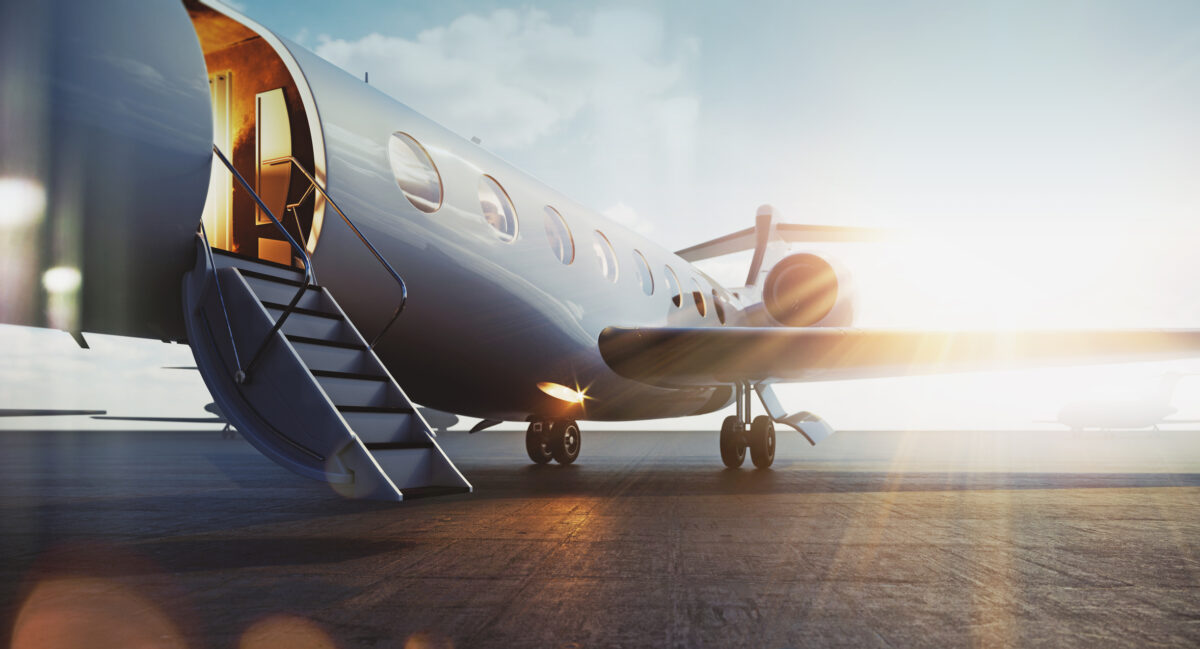
VIPs and luxury go hand-in-hand. So, it just makes sense that traveling to the sporting event surrounded by comfort and class is the only way to go. Inside your private jet, you will find overstuffed seating, ample leg room, and the ability to move freely around the cabin. Amenities that will add value to your flight are also included.
For those who value elegance, privacy, and saving time, there truly is no other option.
Private Jet Charters For Sporting Events: For Games Big & Small
Whether you are attending a game your alma mater is playing, or some of the biggest sporting events in the U.S. and around the world, the best way to arrive in style is on a private jet.
Since private jets can reach global destinations, the sporting events you can attend are endless. A few of the top sporting events that private jet charters are booked for include:
- The Super Bowl
- The Olympics
- The World Cup
- The Kentucky Derby
- The NBA Finals
- The Stanley Cup Finals
- The Formula One World Championship
- The Masters Tournament
Of course, major events are not the only ones you can charter a private jet to. Thanks to our ability to fly out of almost any private airport, you can book private jet charters for sporting events all over the world, no matter how big or small the event is.
Private Jet Charters for Sporting Events From The Early Air Way
Flying with The Early Air Way means you will get to enjoy every moment of the major sporting event. The extensive luxury, flexible schedules, personalized service, and access to smaller airports will ensure that you are living in the moment from the time you step onboard until the time you arrive back home.
We have a fleet of jets to choose from and a team ready to handle every detail of your flight, so all you have to do is focus on the game. Get a quote, book your private charter today, and show up like a true VIP.
Conclusion
If you are planning on attending a big game, you have two choices: show up to the game or arrive like a VIP. For those who are trying to create an unforgettable experience, going VIP with private jet charters for sporting events is the only option.